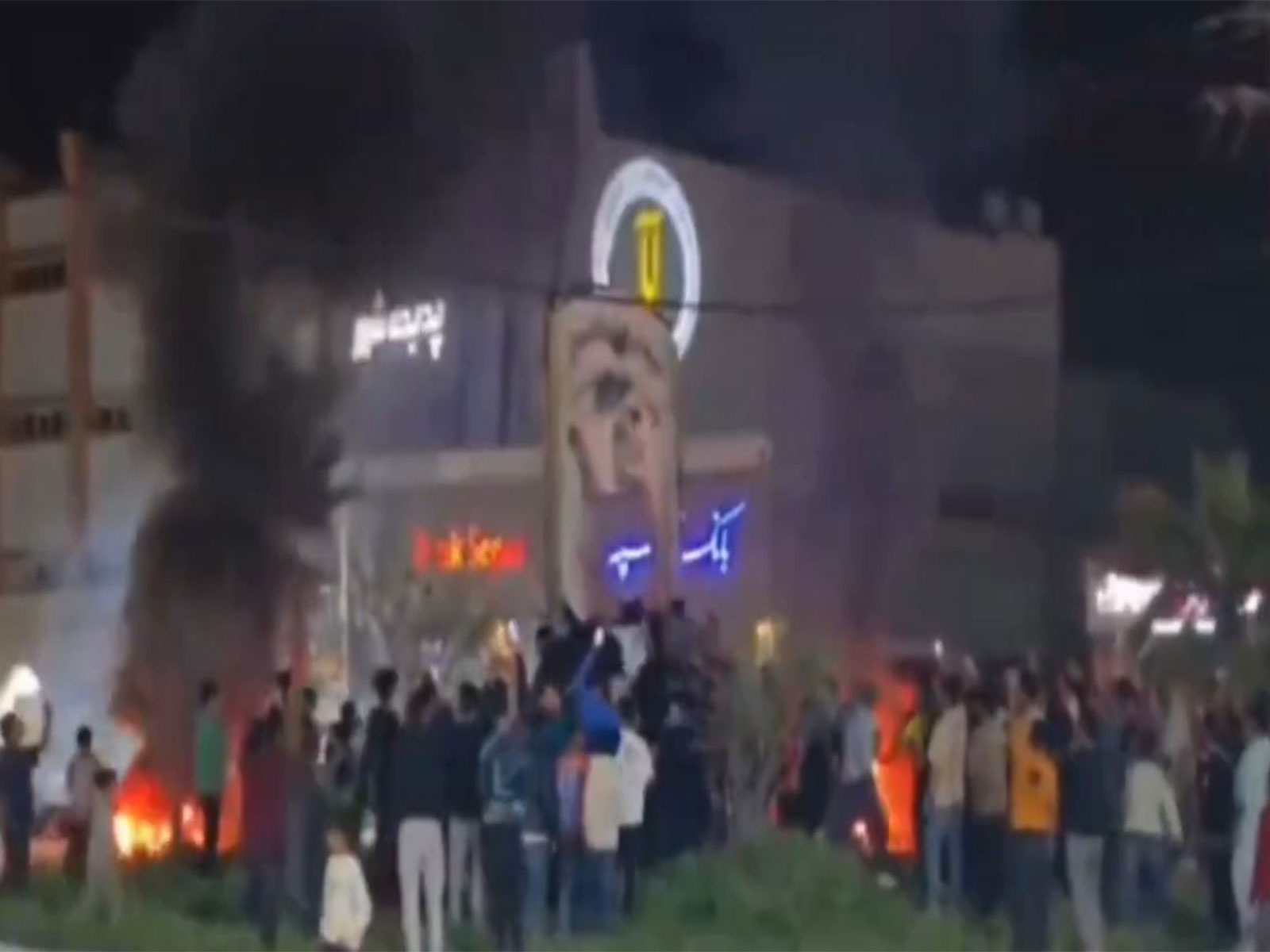
Kathmandu — Reports of public celebrations have surfaced in parts of Iran after the United States claimed that Iran’s Supreme Leader, Ayatollah Ali Khamenei, was killed in an airstrike. However, Iranian authorities have neither confirmed nor denied the reports of his death, leaving the situation unclear.
Iranian activist and journalist Masih Alinejad shared a video on social media showing what appeared to be scenes of celebration inside Iran. In her post, she wrote, “Am I dreaming? Hello to a new world,” suggesting that some Iranians were reacting positively to the unverified reports.


In another self-recorded video, Alinejad said that for years Iranians had woken up to news of fellow citizens being killed under Khamenei’s rule, but this time she described receiving “the first good news” of her life.
Meanwhile, exiled Iranian Crown Prince Reza Pahlavi called on Iranians to unite in support of a “stable transition toward a free and prosperous future” if Khamenei’s death is confirmed. Posting on the social media platform X, Pahlavi referred to Khamenei as a “bloodthirsty ruler” and suggested that his death would bring the Islamic Republic closer to its end.
Pahlavi also urged members of the military, security forces, and police to stand with the people, warning that any attempt by the current establishment to appoint a successor would ultimately fail.
U.S. President Donald Trump also claimed on his social media platform, Truth Social, that Khamenei had been killed. He described the development as “justice not only for the Iranian people but for many victims around the world.” Trump added that the operation was carried out in coordination with Israel using advanced intelligence capabilities and warned that intensive and precise bombing would continue until peace is established in the Middle East.
Despite these statements, Iranian official sources have provided no clear information about Khamenei’s condition. With no formal confirmation, uncertainty continues to surround the situation. If his death is verified, key questions remain about succession within Iran’s leadership and whether the development would escalate or de-escalate ongoing tensions across West Asia.